


Hoi An Rainy Season & Flood Travel Guide: Handcrafted Pottery Workshops, Budget Optimization & 4 Vital Safety Rules
📋 Table of Contents
The Distinctive Appeal of Hoi An During the Low Season
Traveling to Hoi An during the rainy and flood season has long ceased to be a taboo for passionate experiential travelers. On the contrary, this is the golden time to enjoy a truly “slow-paced” Hoi An:
- Optimized accommodation and service costs: The rainy season is the domestic low season, with many 4 to 5-star hotels and resorts offering promotions discounting room rates from 30% to 50%, making it easy for you to experience high-end services within a reasonable budget.
- Superior service quality: No more overcrowding or waiting in long lines at restaurants, cafes, or attractions. Every service receives attentive, thoughtful care from the staff.
- Quiet and peaceful atmosphere: The Ancient Town dons a subdued, melancholic charm, perfectly suited for wellness staycations to recharge your energy.
Comparison Table: Hoi An Travel in Peak Season vs. Rainy Low Season
| Comparison Criteria | Sunny Peak Season (March – August) | Rainy Low Season (October – December) |
| :--- | :--- | :--- |
| Hotel room rates | Peak listed rates, frequently fully booked | Deep discounts of 30% – 50%, many bundled spa/dinner vouchers |
| Tourist density | Very crowded, long queues at check-in spots | Sparse, peaceful, maximum privacy |
| Service style | Overloaded, busy staff, rushed service | Thoughtful, attentive, chefs meticulously perfecting every dish |
| Scenery vibe | Vibrant, glaring sun, ideal for swimming | Nostalgic, subdued, romantic, deeply poetic and heritage-rich |
| Experiential activities | Swimming at Cua Dai, An Bang, coral diving at Cu Lao Cham | Pottery workshops, quick tailoring, tea ceremonies, watching the ancient town rain |
However, that charm is only truly complete when you master suitable activities and strictly adhere to the safety principles below.
Experiencing the Thanh Hu Pottery Workshop on Rainy Days
Nestled along the banks of the Thu Bồn River, about 3km west of the ancient town center, the 500-year-old Thanh Hu Pottery Village is a wonderful destination on rainy days.
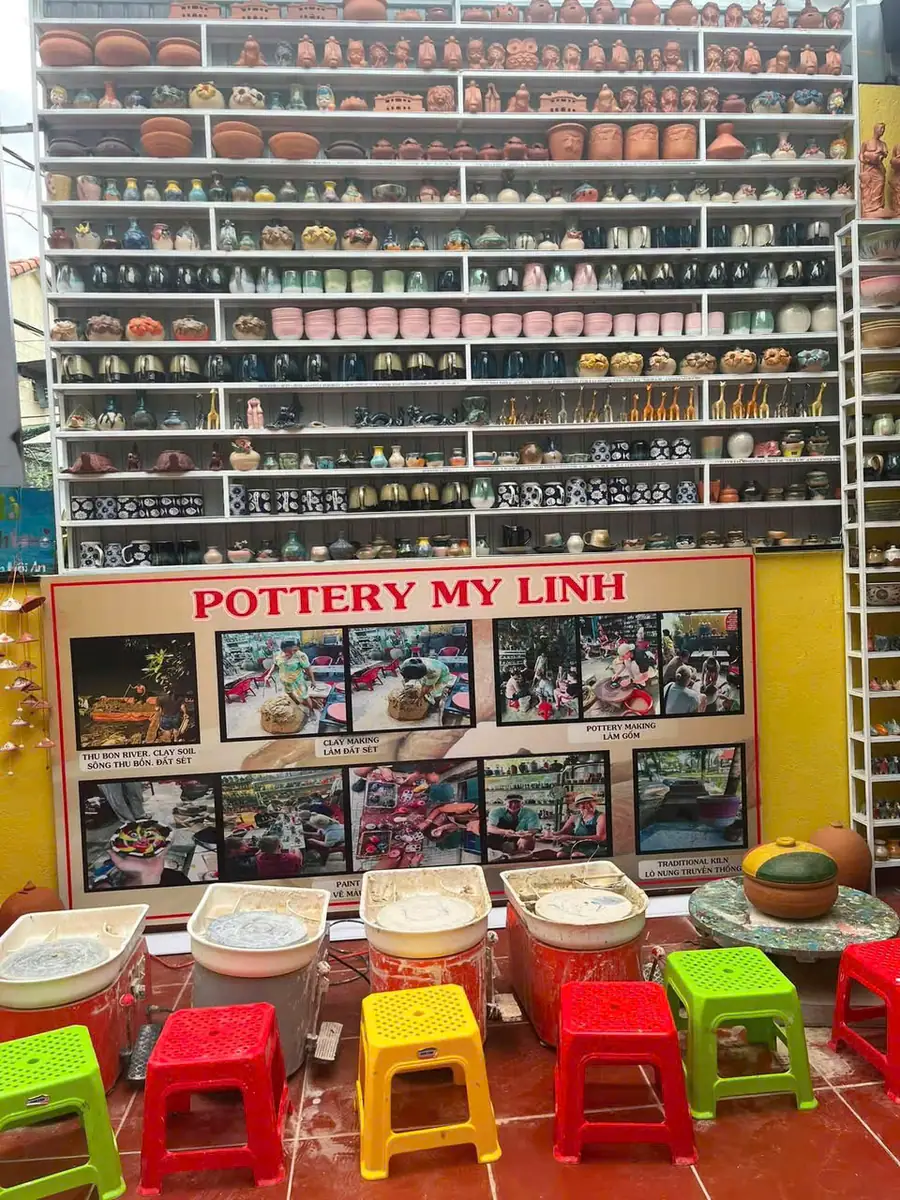
Unlike outdoor activities, the craft village boasts a traditional kiln system and workshop spaces with sturdy roofs (such as the My Linh pottery workshop and many long-standing family kilns):
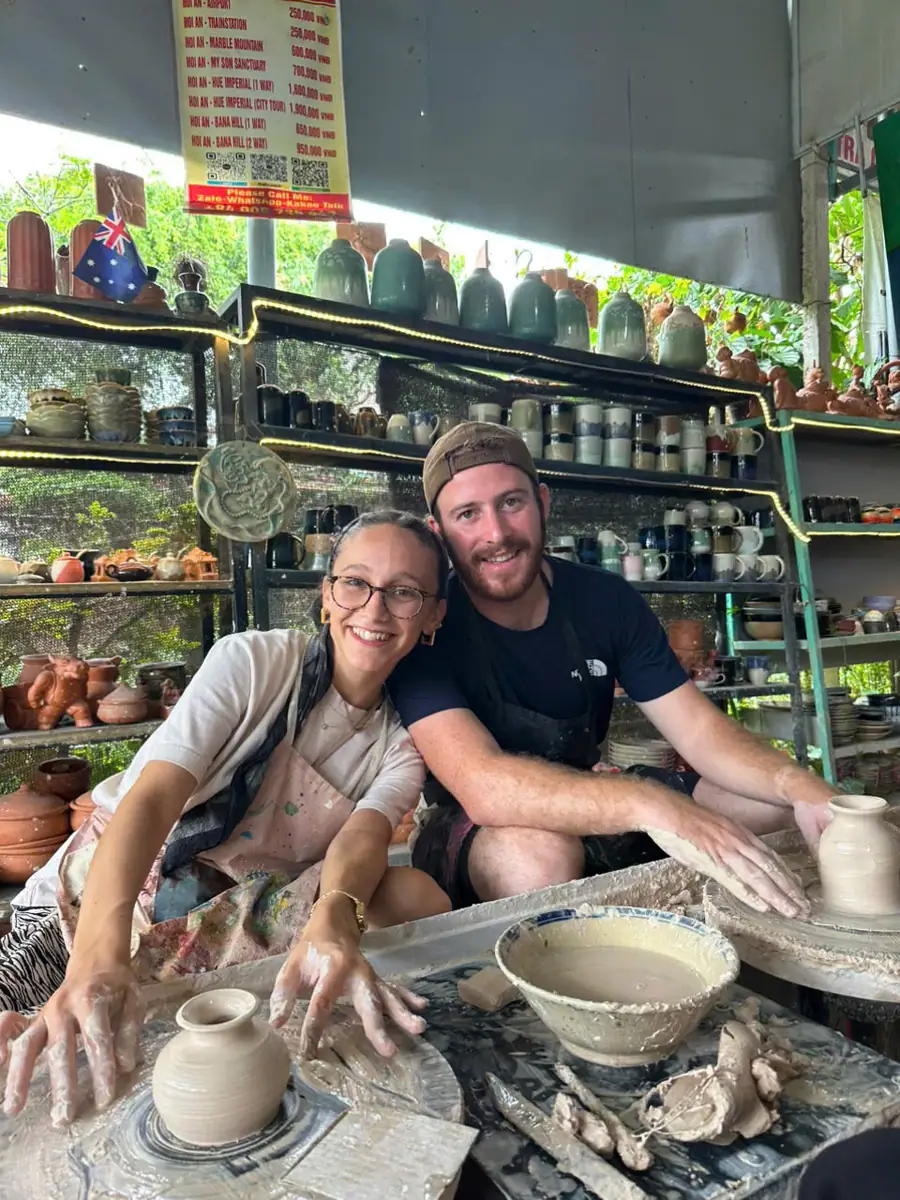
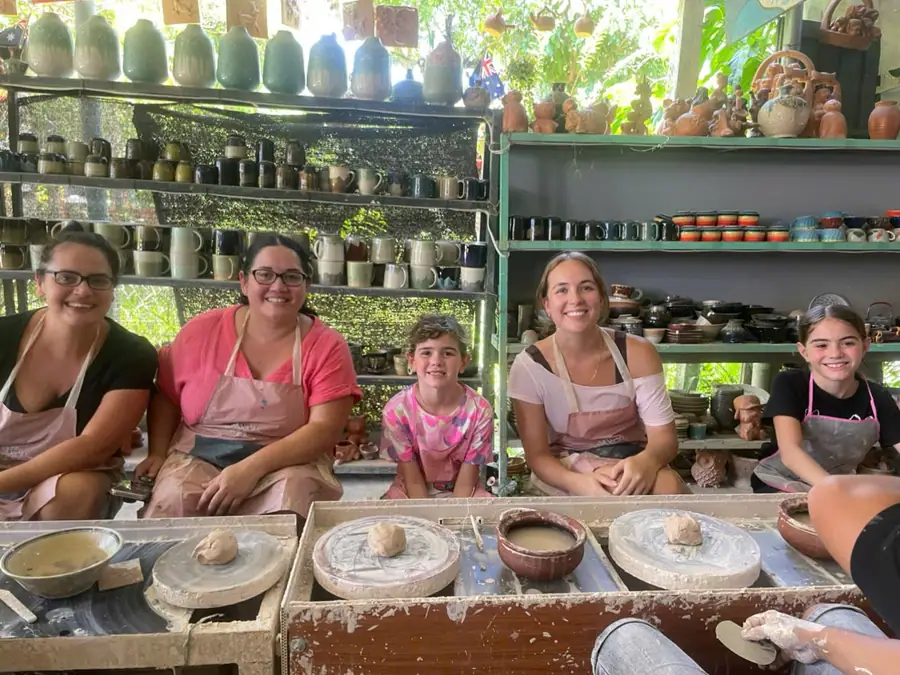
- Shaping clay pottery on the potter’s wheel with your own hands: Under the dedicated guidance of veteran artisans, you will feel the smooth, cool alluvial clay of the Thu Bồn River spinning beneath your palms, creating your own cups, small vases, or rustic plates bearing your personal touch.
- Family and couple bonding activities: The patter of rain outside blending with the creaking of the potter’s wheel creates a cozy atmosphere, connecting family members and bringing boundless creative joy to children.
- Visiting the Thanh Hu Terracotta Park: The largest pottery park in Vietnam with unique baked brick dome architecture, where you can comfortably admire miniature world wonders made of pottery without worrying about getting wet.
4 Strict Safety Rules When Traveling During the Rainy and Flood Season
Flooding in the lower Thu Bồn River depends heavily on upstream rainfall and the flood discharge schedules of hydroelectric reservoirs. To ensure an absolutely safe trip, you must memorize these 4 survival rules:
1. Closely Monitor Weather Forecasts & Flood Alarm Levels
Flooding in Hoi An can rise very quickly, especially when reaching Alarm Level 2 and Alarm Level 3:
- Alarm Level 1: The Hoai River water begins to lap against the embankment of Bạch Đằng street; movement within the ancient town proceeds normally, and visitors can watch the slightly rising water.
- Alarm Level 2: Water spills into low-lying riverside routes such as Bạch Đằng, Nguyễn Thái Học, and Huyền Trân Công Chúa. Traveling to riverside areas should be restricted.
- Alarm Level 3: Deep and widespread flooding occurs, with strong currents on the Thu Bồn River. At this time, local authorities will erect roadblocks to ban traffic and halt all boat operations. You should stay safely indoors at your accommodation on higher ground.
2. Choose Sensible and High-Ground Accommodations
- Prioritize high terrain: Choose hotels or homestays in elevated areas such as Tan An Ward, Cam Pho (Phan Chu Trinh and Hùng Vương streets area), Trang Keo urban area, or the An Bang beachside area.
- Avoid low-lying areas: Refrain from booking rooms in low-lying residential houses located right along the edge of the Thu Bồn River or mid-river islets when weather forecasts predict prolonged tropical depressions.
- Inquire about support policies: When booking, ask the hotel in advance about transfer and luggage transport plans if outside roads experience localized flooding.
3. Carefully Prepare Waterproof Clothing and Gear
- Clothing: Bring high-quality ponchos or rainsuits, compact umbrellas, anti-slip rubber sandals, or short-neck rain boots. Avoid tight clothing or fabrics that take a long time to dry.
- Protect electronic devices: Prepare specialized dry bags or thick zip-lock bags for your phone, camera, power bank, and personal documents.
- Personal medical kit: Bring medicated oil, cold medicine, adhesive bandages, and insect repellent spray.
4. Strictly Follow Local Authority Instructions
- Listen to warnings: Pay attention to the ancient town loudspeaker system and recommendations from locals. They have decades of experience living alongside floods.
- Do not take risks: Absolutely do not venture into deep swirling waters, areas with undercurrents, or roads with sagging power lines. Do not stand too close to the river embankment edge to take photos when waters are rushing swiftly.
Optimal Transportation During the Rainy and Stormy Season
The trickiest issue for travelers coming to the Central region on rainy days is transportation from Da Nang airport to Hoi An and vice versa. Riding a motorbike in rainy and windy conditions carries many hidden risks: slippery roads, strong wind gusts along the coastal route, and wet luggage.
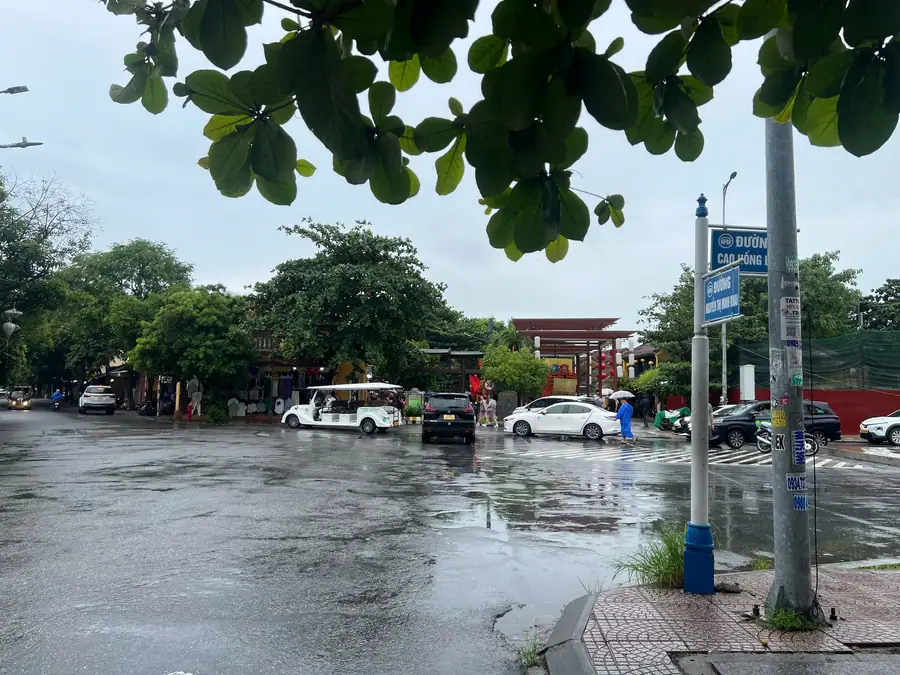
To ensure safety and comfort, the best solution is to use door-to-door private tourist car rental services:
- Door-to-door pickup and drop-off: The car picks you up right at the Da Nang airport lobby and drops you off straight at your hotel lobby in Hoi An, eliminating the need to drag luggage through the rain.
- Comfortable high-clearance vehicles: Modern 7-seater SUV models (Innova, Fortuner, Xpander) featuring high ground clearance, powerful engines, dry luggage compartments, and warm air conditioning help you relax throughout the 30km journey.
- Local drivers familiar with terrain and flexible routes to avoid floods:
- During moderate rain: The car can drive along the Võ Nguyên Giáp — Trường Sa — Lạc Long Quân coastal route so you can admire the majestic winter sea waves.
- During strong wind gusts or high tides: The driver will proactively switch to the ĐT607 inland axis (Trần Đại Nghĩa extended to Nguyễn Tất Thành). This route has high ground foundations and is completely unaffected by coastal tides.
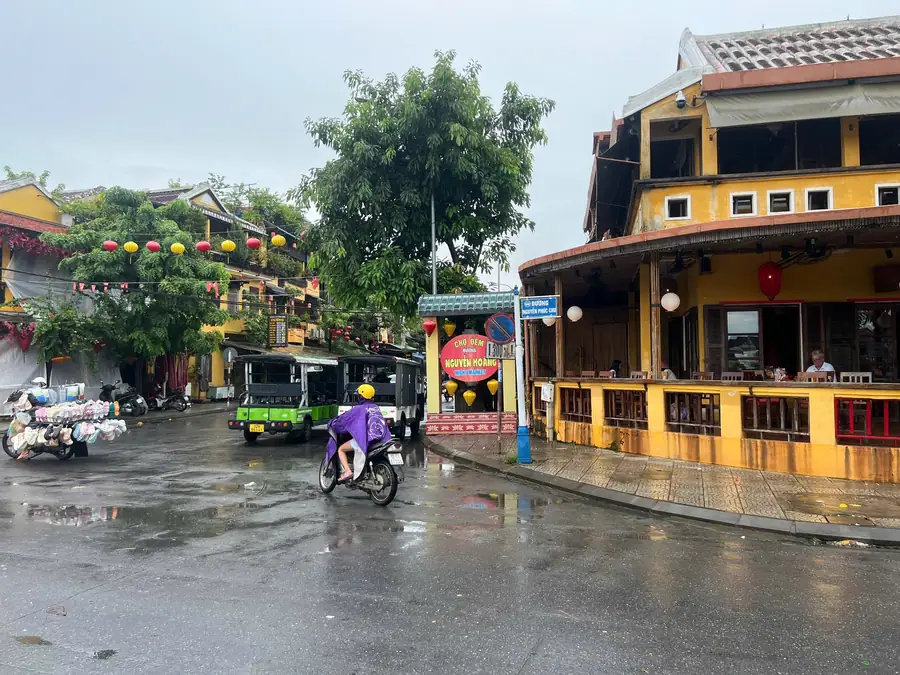
🚗 Absolute Safety on Rainy Days with Faifo Express
Don’t let Central weather interrupt your heritage exploration trip. Faifo Express commits to 4 to 7-seater car services arriving on time, thoughtful local drivers holding umbrellas right to the door, 100% dry vehicle cabins, and transparent package pricing with absolute zero price hikes or weather surcharges.
👉 Check out now: All-inclusive Da Nang — Hoi An car rental pricing table | Route: Da Nang to Hoi An door-to-door pickup
[!NOTE] Pricing Note for International Tourists The prices listed are inclusive of a 20% tax and service fee applied to foreign tourists. Estimated USD rates are based on current exchange rates and may slightly vary.
Discover More Unique Perspectives of the Rainy Season
For a complete rainy-season vacation filled with wonderful memories, you can explore more related articles:
- Immerse yourself in the beauty of Hoi An travel during the flood season and ancient town boat ride experiences.
- Savor the flavors of Hoi An cuisine in the rainy season featuring warming, spicy Thu Bồn River fish specialties.
- Spend time relaxing with indoor activities, quick-tailoring services, and handcrafted leather shops.
- Pre-book safe transportation arrangements with Da Nang - Hoi An tourist car rental services to always feel secure on every journey.
Frequently Asked Questions
Frequently asked questions about Hoi An Rainy Season Travel Guide
Is it recommended to visit the Thanh Hu Pottery Village when it rains?
How much does it cost to join a pottery workshop in Thanh Hu?
How do you know when floodwaters are rising to dangerous levels in Hoi An?
Which area should you choose for a hotel in Hoi An to avoid flooding during the rainy season?
What is the safest transportation from Da Nang to Hoi An during rainy and stormy days?
Tags
The Faifo Express
This article was written by the driver and travel consultant team at Faifo Express — over 5 years of experience in travel transport across Da Nang, Hoi An, and Hue. All information is based on real experience serving 5,000+ customers every month.
Related services
Airport Transfer
Hotel pickup, all-inclusive price
View DetailsDay Tour Car Rental
Ba Na Hills, Hoi An, My Son...
View DetailsShared Car
From just 100K VND/person
View DetailsTourist Car Rental
Explore the beauty of Central Vietnam with our private tourist car service.
View Details🛣️ Popular Routes
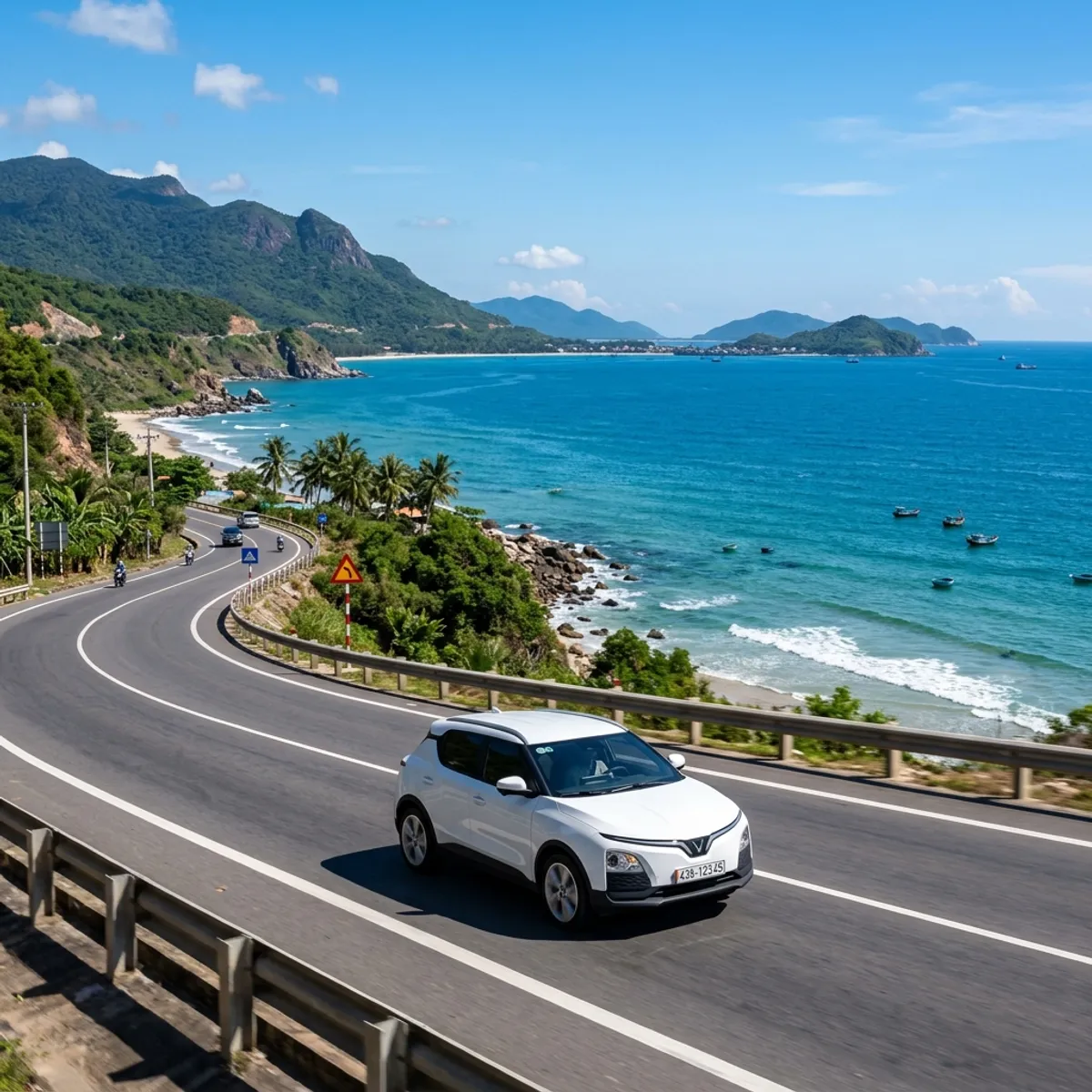
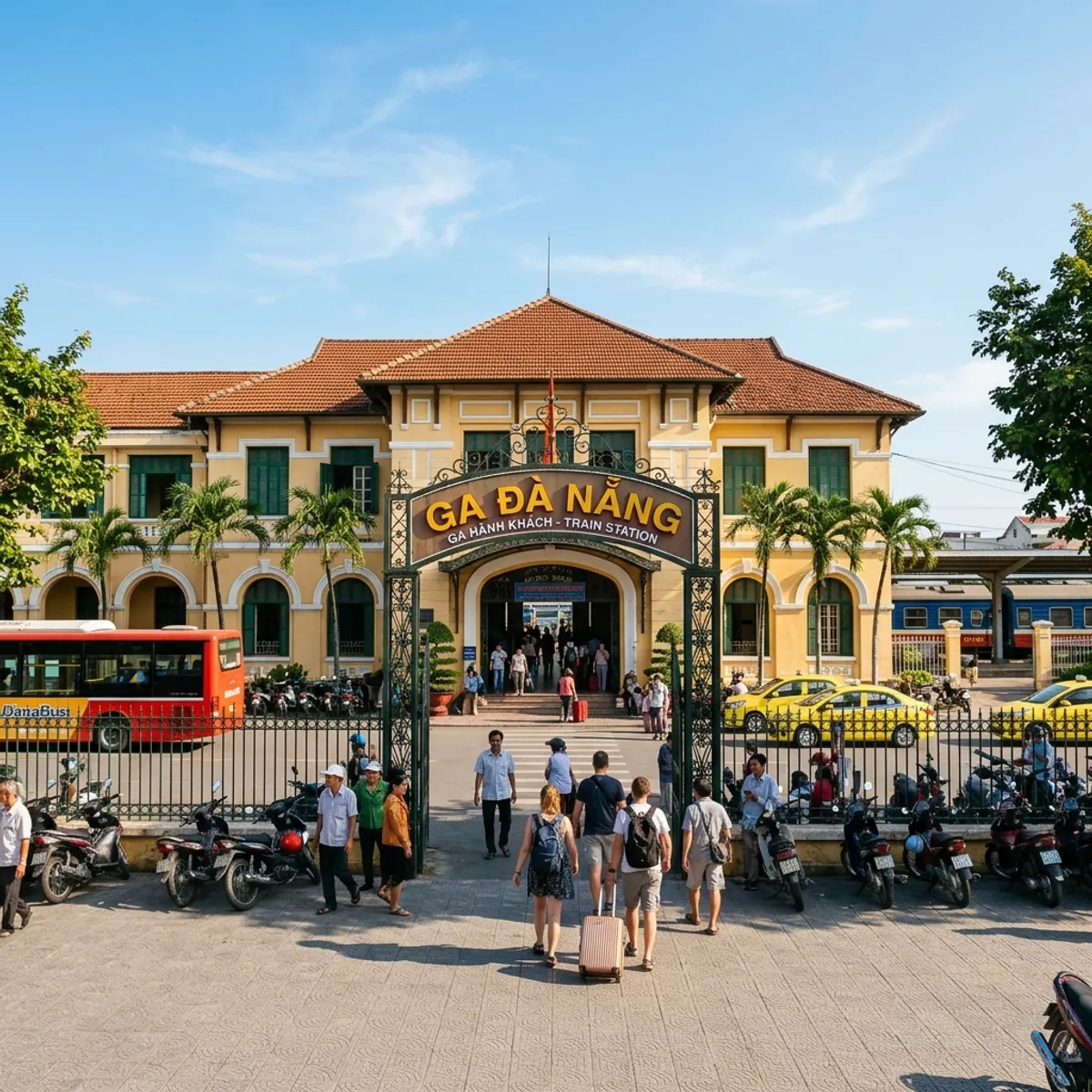
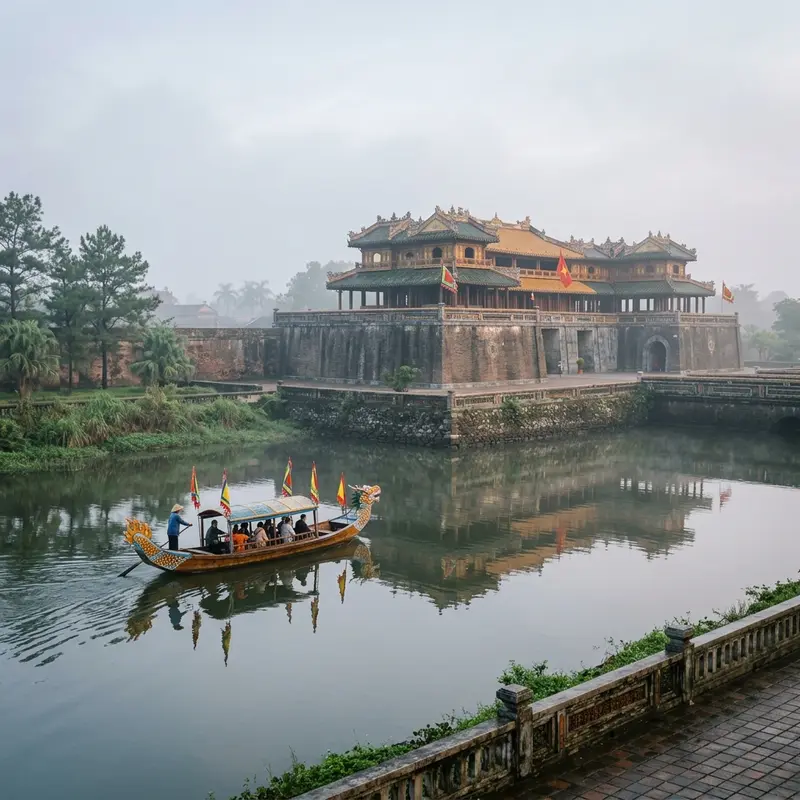
Follow Faifo Express
Get exclusive deals, real reviews and the latest Central Vietnam travel tips.
Faifo Express
Updates, customer reviews & real trip photos.
@trm.anh.travel
Real experience videos, Da Nang – Hoi An travel tips.
@xedichvudananghoianhue
Real videos of routes, fleet and transfer services.
@xedananghoianFE
Quick news, flash deals and direct interaction.
DM us on Facebook — response within 5 minutes