


Exploring Son Tra Peninsula: Lady Buddha, Ban Co Peak and the Wild Green Coast
📋 Table of Contents
Son Tra Peninsula – A Primeval Forest in the Heart of Da Nang Waiting for You to Explore
I still vividly remember that first morning I climbed to Ban Co Peak before dawn broke, my shirt soaked with sweat, my legs trembling after hundreds of stone steps, then standing there – watching the entire city of Da Nang gradually wake up through a thin veil of mist. That feeling, I dare say, no photograph could truly capture. Son Tra Peninsula is not just a tourist destination – it is an entirely separate world, where a primeval tropical forest thousands of years old exists in parallel with a modern metropolis just a few kilometers away. Linh Ung Pagoda with Vietnam’s tallest Buddha statue, the mysterious Ban Co Peak with its 360-degree panoramic view, and an ancient thousand-year-old banyan tree like a silent witness to history – all contained within a journey you can completely accomplish in a single day. But if you truly want to understand Son Tra, you need more than that. And this article will give you everything a local knows.
What is Son Tra Peninsula? Why is This Place So Special?
Geography and strategic location
Son Tra Peninsula lies to the northeast of Da Nang city, about 10 km from the city center, jutting into the East Sea like a giant tongue of land. The total area of the peninsula is approximately 4,439 hectares, with most of it being a nature reserve featuring a distinctive primeval tropical forest ecosystem. The highest point of the peninsula – Ban Co Peak – reaches an elevation of 696 meters above sea level.
What makes Son Tra truly unique is not only its magnificent natural scenery, but also its extremely special geographical location: it is one of the very few places in the world where you can stand in the middle of a primeval forest, look down at a city of millions, and beyond that see the soft, curved coastline of Da Nang Bay. Da Nang residents call Son Tra the “green lungs” of the city – and that is not an exaggeration.
History and cultural significance
Historically, Son Tra was an important military base. During French colonial times, the French built many structures on the peninsula’s peaks to observe and control the sea region. During the Vietnam War, the U.S. military used Son Tra as a radar station and strategic intelligence center – traces of this historical period still remain in some areas of the peninsula.
But before all of that, Son Tra had been sacred land in the minds of Da Nang residents and surrounding communities. Linh Ung Pagoda – full name Linh Ung Bai But Pagoda – has existed here since ancient times, a place where fishermen prayed before each voyage out to sea. The name “Bai But” (But = Buddha in local dialect) says everything about the spiritual significance of this land.
Ecosystem and red-shanked douc langur
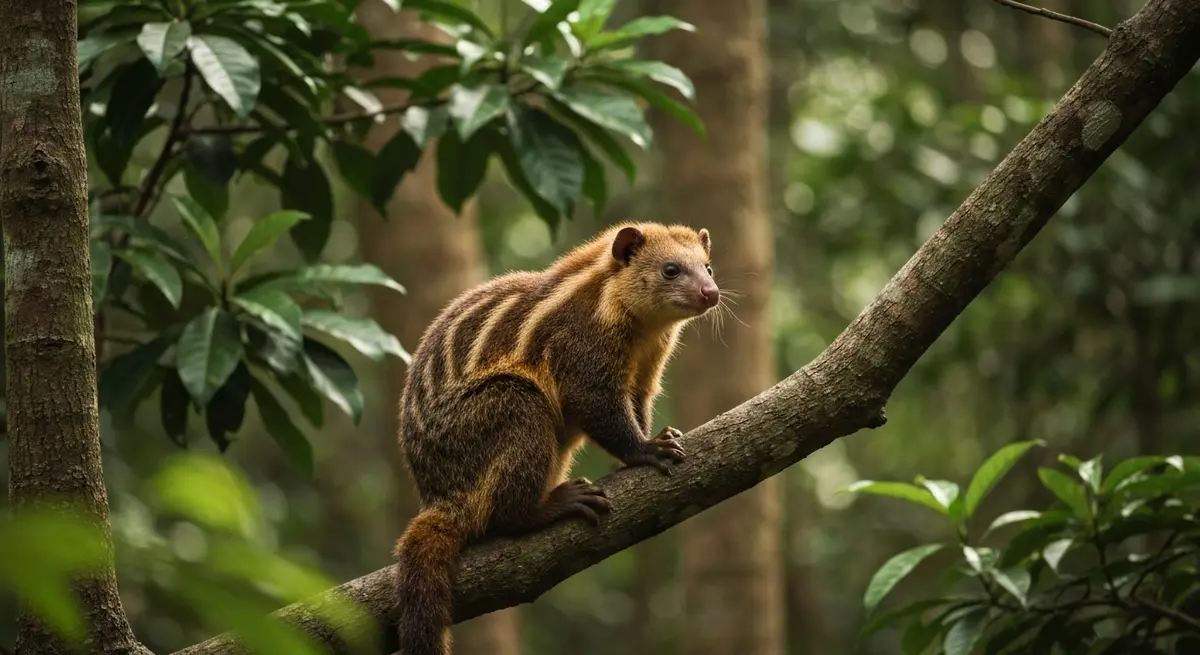
One cannot speak of Son Tra without mentioning the red-shanked douc langur (Pygathrix nemaeus) – a primate species dubbed the “queen of primates” with striking fur like a brocade coat. This is one of the rarest animals in the world, listed in the IUCN Red Book, and Son Tra is home to the largest remaining wild population of red-shanked douc langurs – approximately 1,500 individuals.
If you visit Son Tra early in the morning, especially near Truong Sa Road along the peninsula, your chances of seeing red-shanked douc langurs are extremely high. They typically appear in groups of 5-20, moving through the tree canopy along the roadside. This is a completely free experience and more memorable than any zoo.
Linh Ung Bai But Pagoda – The Pagoda of Miracles
Architecture and scale
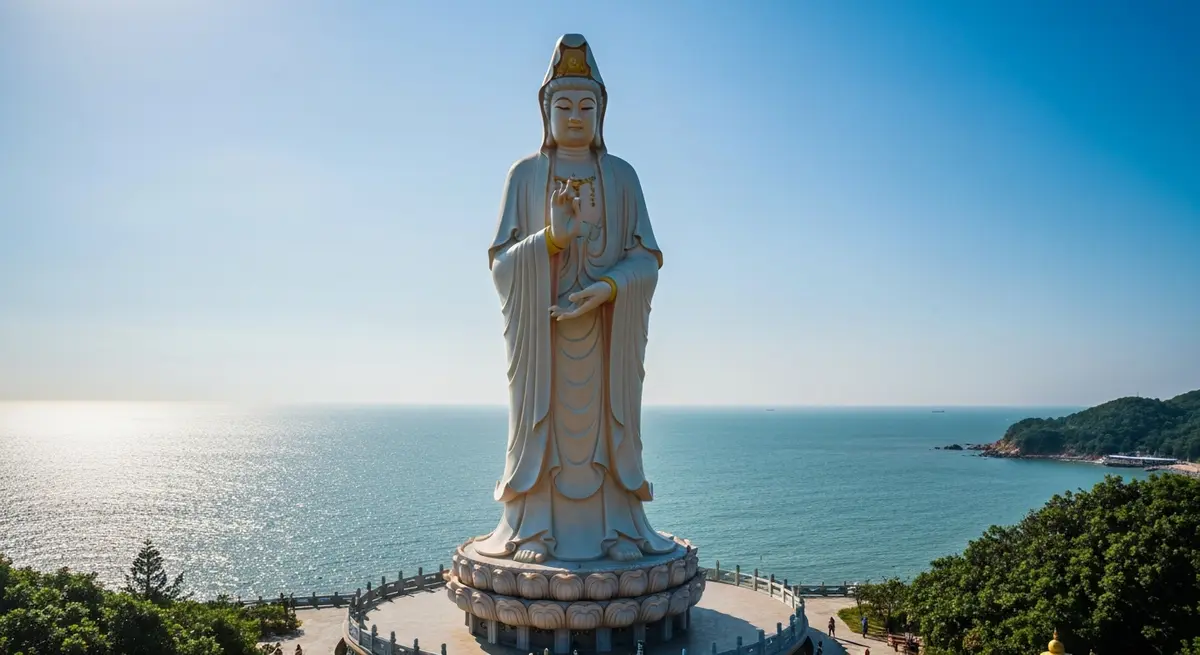
Linh Ung Bai But Pagoda was rebuilt and expanded in 2004, completed in 2010 on the foundation of an ancient pagoda. Located on a flat area at an elevation of approximately 693 meters above sea level, the pagoda covers a total area of 12 hectares. The unmissable highlight is the statue of Avalokiteshvara Bodhisattva standing 67 meters tall (including the lotus pedestal, with the statue itself standing 67 meters on a 15-meter base) – currently Vietnam’s tallest standing Buddha statue.
The Buddha statue was constructed facing the sea, as if extending her arms to protect fishermen and those venturing out to sea. Inside the statue is an elevator and staircase system leading up to the chest level, where there are windows overlooking the entire seascape and peninsula. However, the interior of the statue is currently not regularly open to visitors – you should ask when you arrive.
Besides the Buddha statue, the pagoda grounds also feature 18 meticulously carved Arhat statues, each with different expressions and postures, arranged along the path leading into the pagoda. The main hall is constructed in traditional Buddhist architectural style with curved roofs, large wooden columns, and an elaborate system of horizontal beams and couplets in Chinese characters.
Photo spots and ideal times
We locals have a little secret: the best photo angle of the Buddha statue is not from the front, but from the left side of the statue, at approximately 45 degrees, where you can capture both the statue and the blue sea behind it in a single frame. In the late afternoon when sunlight hits at an angle, the photo will have wonderful depth and color.
The ideal time to visit the pagoda is early morning from 6am-8am or late afternoon from 3pm-5pm. At midday, especially in summer, temperatures at the peninsula’s peak can reach 38-40 degrees Celsius, and the spacious pagoda grounds with little shade will exhaust you quickly.
[!TIP] On the 15th and 1st days of the lunar month, Linh Ung Pagoda is packed with local worshippers. If you want a peaceful space for contemplation, avoid these days. Conversely, if you want to experience the authentic spiritual atmosphere of Da Nang people, these are particularly special times.
Spiritual significance for local residents
Linh Ung Bai But Pagoda is not just a tourist attraction – it is a sacred place in the spiritual life of Da Nang residents. The name “Linh Ung” means “spiritually efficacious and responsive” – locals believe that prayers made here are often answered. Fishermen before long voyages typically come to the pagoda to light incense and pray for safety. Families with relatives working far away, students before exam season, couples preparing for marriage – all come to Linh Ung.
This creates an atmosphere quite different from commercialized spiritual tourist sites. You will see real people, real emotions, and genuine sincerity – something not every famous pagoda manages to preserve.
Ban Co Peak – Where Heaven and Earth Meet
Legend and history
Ban Co Peak – the name derived from a large flat rock on the summit, traditionally believed to be where immortals descended to play chess. Though merely folklore, this name has been associated with the peak through generations of Da Nang residents. On the peak stands a small temple dedicated to Xuanwu (also called Xuanwu Zhenwu), the deity governing the North in Vietnamese folk beliefs.
During the American occupation, Ban Co Peak was the location of the AN/FPS-6 radar station – one of the most important U.S. military radar stations in South Vietnam. Its geographical position allowed observation of the entire sea region from Hai Van to Hoi An and beyond. Traces of this period still remain in old concrete structures on the peak.
An incredible 360-degree view
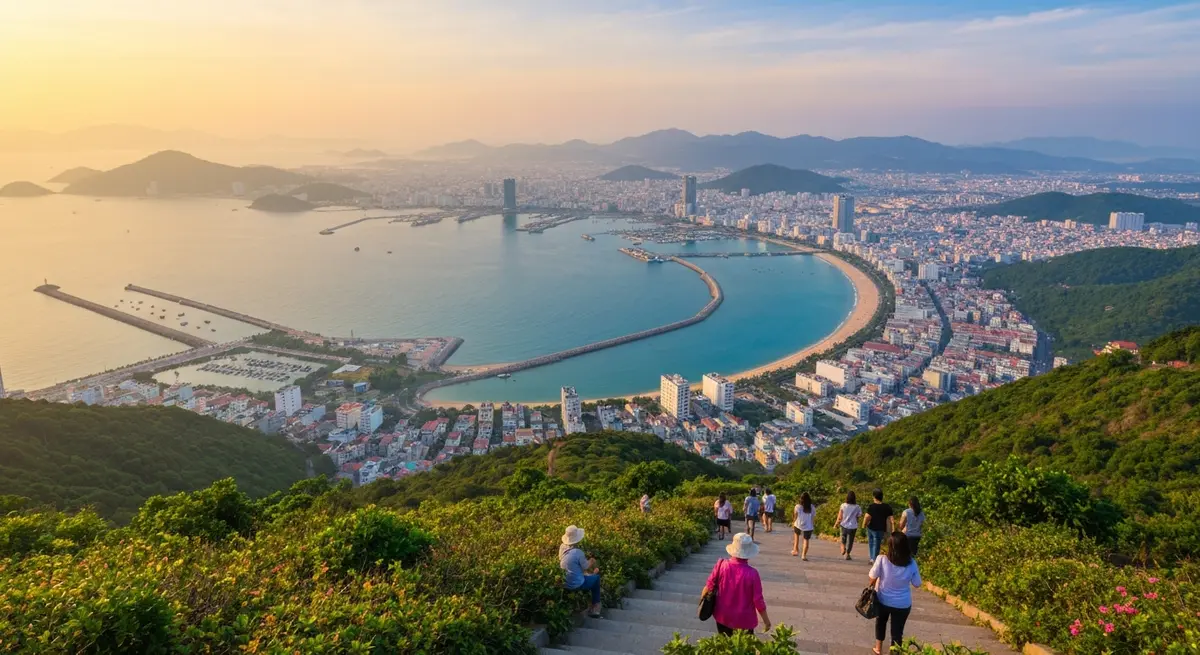
I have stood on many mountain peaks in Vietnam – Fansipan, Ma Pi Leng, Bach Ma – but the view from Ban Co Peak has something unique that nowhere else possesses: the extreme contrast between nature and urban development. Looking west and south, you see the entire Da Nang city spread out, the Dragon Bridge, Han River Bridge, My Khe Beach. Looking east and north, there is only endless blue sea and the horizon. Turn 180 degrees, and you are standing in the middle of primeval forest.
On clear days, from Ban Co Peak you can see Cu Lao Cham Island to the south, Hai Van Peninsula to the north, and further away the Truong Son Range faintly to the west. This is one of the few natural observation points allowing you to see three UNESCO World Heritage sites simultaneously within view: Hoi An Ancient Town (to the south), Hue Imperial City (to the north via Hai Van Pass), and Phong Nha-Ke Bang National Park (further north-northwest).
Experience climbing Ban Co Peak
There are two ways to reach Ban Co Peak:
Method 1: Drive/ride to the parking area – The paved road to the peak is quite good but has many steep sections and sharp curves. From the parking area, you walk up approximately 600 steps to reach the peak. This is the most common method.
Method 2: Trekking from the peninsula base – There are some marked forest trails allowing trekking to the peak, but you need a guide as it’s easy to get lost. Trekking time ranges from 2-4 hours depending on the route. If you want this experience, contact local trekking clubs in Da Nang.
[!WARNING] The road to Ban Co Peak has many dangerous steep sections, especially after rain. If you rent a motorbike to self-drive, be especially careful on the hairpin turns. Many accidents have occurred here with inexperienced visitors. The safest way is to use a professional shuttle service with a local driver familiar with every curve on this route.
[!TIP] The ideal time to climb Ban Co Peak is from 5:30am to 7am to watch the sunrise. This is an experience that we Da Nang residents consider a “must-do” at least once in a lifetime. The sky transforms from deep purple to pink to brilliant gold while the city below still lies shrouded in mist – no words are adequate to describe it.
The Thousand-Year Banyan Tree – Silent Witness of Time
The story of the ancient banyan
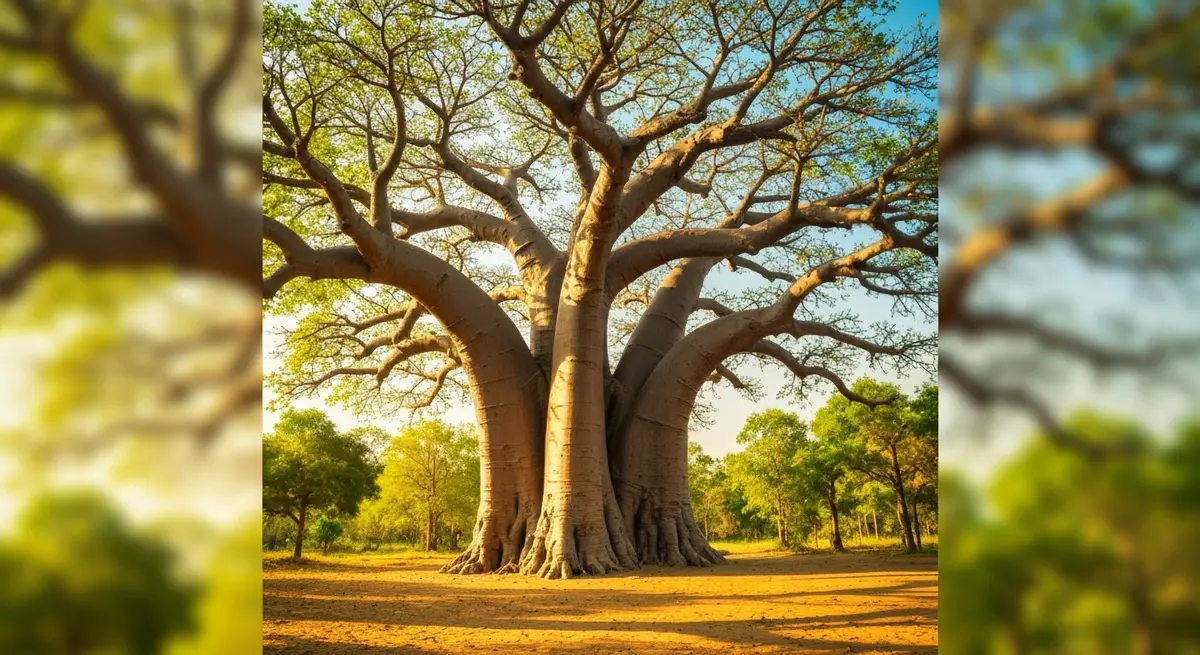
Hidden deep within the primeval forest of Son Tra Peninsula, the thousand-year banyan tree (also called the heritage banyan tree) is one of the largest and oldest ancient trees in Da Nang. The trunk diameter is estimated at approximately 2-3 meters, with a canopy covering a vast area, and a system of aerial roots hanging from branches creating strange natural “columns.”
No one knows exactly how old this banyan tree is – estimates range from 800 to 1,500 years. That means when this banyan was still a young tree, our Vietnamese people were in the early period of the Ly Dynasty. The tree has witnessed Da Nang transform from a desolate region into a bustling port city during the Champa period, through various Vietnamese feudal dynasties, through French colonial times, through war, and to today.
Spiritual experience and meditation
Local people have a special relationship with this ancient tree. Many believe the ancient banyan is home to spirits and protective deities of the forest. At the tree’s base, there are usually incense bowls and small offerings placed by local residents. The atmosphere around the banyan tree is mysteriously cool even on the hottest days – partly due to the wide canopy providing shade, partly perhaps due to… something else that science has yet to explain.
If you are someone who enjoys meditation or simply want to sit quietly in pristine natural space, this is a perfect location. The sound of birds singing, wind through leaves, and the presence of a living being that has existed for thousands of years – all create an experience difficult to express in words.
How to find the thousand-year banyan tree
Here is “insider” information that many tourists don’t know: the thousand-year banyan tree does not lie on the main road to Linh Ung Pagoda or Ban Co Peak. It lies deeper in the forest, requiring a smaller side path. Without a local guide, it’s very easy to miss or take the wrong route.
The easiest way to find it is to ask a local driver familiar with the Son Tra area to guide you – this is one reason why having a truly local driver is more important than you might think, not just for driving but also as an unofficial guide.
Transportation Guide to Son Tra Peninsula
From Da Nang city center to Son Tra
Son Tra Peninsula is approximately 10 km from Da Nang city center and can be reached by various means of transportation:
- Self-driven motorbike: Popular with backpackers, but requires experience riding on mountain roads with steep grades. Motorbike rental in Da Nang costs approximately 100,000-180,000 VND (≈$7)/day.
- Taxi/Grab: Convenient but can be expensive if you want the driver to wait all day. Some Grab drivers are unfamiliar with Son Tra roads and may hesitate.
- Professional shuttle service: This is the option I truly recommend.
Why Choose Faifo Express Instead of Regular Taxis?
After many trips taking friends and family to Son Tra, I can say plainly: the experience is completely different when you have a local driver who truly understands the area versus a random taxi driver.
Faifo Express provides comprehensive shuttle services in Da Nang with a team of local drivers who know every corner of Son Tra. They know:
- Exactly what time red-shanked douc langurs typically appear and stop at the right spot for you to observe
- “Secret” stopping points along the road to the peak that Google Maps doesn’t have
- How to avoid traffic on holidays and weekends when Son Tra is crowded
- The route to the thousand-year banyan tree that many people cannot find
Beyond Son Tra tours, if you need Da Nang airport shuttle service, transportation from Da Nang to Hoi An, or shuttle to Ba Na Hills, Faifo Express offers comprehensive services with fixed pricing, no worries about overpricing or taking roundabout routes to inflate fares.
[!NOTE] Special note: the road to Ban Co Peak has many one-way sections and vehicle restrictions during certain hours. Local drivers know this schedule exactly, while drivers from elsewhere may not know and could end up having to turn around on a narrow mountain road – extremely dangerous.
Real Experience at Son Tra – What to Eat, What to Do, Where to Check-In?
Must-do activities
1. Watch red-shanked douc langurs early in the morning This is the number one activity I recommend. Depart from the city at 5:30am, arriving at the Truong Sa Road area along the peninsula around 6am. Langurs typically appear most frequently from 6am-8am and 3pm-5pm. Bring binoculars if you have them.
2. Scuba diving and snorkeling at North Beach North Beach (also called the northern beach of the peninsula) has crystal-clear water and relatively well-preserved coral reefs. Several operators provide diving services here at approximately 200,000-480,000 VND (≈$19)/person.
3. Trekking marked forest trails There are several marked trekking routes in Son Tra forest, suitable for nature lovers wanting to escape the crowds. The most popular route is about 5 km long, taking approximately 2-3 hours.
4. Fishing at rocky outcrops Locals often fish at rocky outcrops along the peninsula in the afternoon. If you want to try, ask your driver or local residents for the best fishing spots.
Frequently Asked Questions
Frequently asked questions about Son Tra Peninsula
What is the best way to use this guide to Son Tra Peninsula: Linh Ung Pagoda, Ban Co Peak?
Is Son Tra Peninsula: Linh Ung Pagoda, Ban Co Peak suitable for a first-time visitor?
Can I combine Son Tra Peninsula: Linh Ung Pagoda, Ban Co Peak with other nearby plans?
What should I confirm before making plans for Son Tra Peninsula: Linh Ung Pagoda, Ban Co Peak?
How can I avoid last-minute problems with Son Tra Peninsula: Linh Ung Pagoda, Ban Co Peak?
Tags
The Faifo Express
This article was written by the driver and travel consultant team at Faifo Express — over 5 years of experience in travel transport across Da Nang, Hoi An, and Hue. All information is based on real experience serving 5,000+ customers every month.
Related services
Airport Transfer
Hotel pickup, all-inclusive price
View DetailsDay Tour Car Rental
Ba Na Hills, Hoi An, My Son...
View DetailsShared Car
From just 100K VND/person
View DetailsTourist Car Rental
Explore the beauty of Central Vietnam with our private tourist car service.
View Details🛣️ Popular Routes

Follow Faifo Express
Get exclusive deals, real reviews and the latest Central Vietnam travel tips.
Faifo Express
Updates, customer reviews & real trip photos.
@trm.anh.travel
Real experience videos, Da Nang – Hoi An travel tips.
@xedichvudananghoianhue
Real videos of routes, fleet and transfer services.
@xedananghoianFE
Quick news, flash deals and direct interaction.
DM us on Facebook — response within 5 minutes